































































Combatting Carpet Beetles – Effective, Eco-Friendly Strategies
Carpet beetles seem harmless – until you suddenly notice holes in your textiles, bald spots on the edges of carpets, or fine larval skins. The problem: it isn't the adult beetles that cause the damage, but primarily the larvae, as they feed on keratin and organic residue. In this guide, you will learn where carpet beetles come from, how to recognize an infestation, and which eco-friendly measures really work – without unnecessary chemicals.
Causes: Where do carpet beetles come from in the home?
Carpet beetles often get into the house from outside – for example, through open windows, on clothing, via fresh flowers, or through attics and stairwells. They are particularly drawn to areas with natural textiles where there is little movement: under furniture, in corners, in closets, or in attics.
- Natural fibers (wool, felt, silk, fur, feathers) and old carpets
- Dust & skin flakes as an additional food source
- Quiet zones (under beds, behind closets, in cracks)
- Bird nests on the house (roof, balcony, shutter boxes) as a possible origin
Detection: How do you identify a carpet beetle infestation?
A carpet beetle infestation is often only visible once damage to textiles has already occurred. Therefore, keep an eye out for typical signs – especially in areas that are not used frequently.
- Irregular holes in wool, felt, carpets, or upholstery
- Larval skins (often resembling small brown "shells")
- Fine crumbs/dust in cupboard edges, cracks, or textile folds
- Small beetles on windowsills or near lamps (light attracts them)
Control: Getting rid of carpet beetles sustainably and in an eco-friendly way
If you want to combat carpet beetles, a structured plan is essential: find the hotspots, remove the larvae, and then implement monitoring. This prevents new generations from developing unnoticed.
1) Immediate measures for carpet beetle larvae
- Vacuum thoroughly: carpet edges, baseboards, cracks, under furniture (dispose of the bag immediately)
- Treat textiles: Wash washable items at 60 °C; alternatively, freeze them for several days (depending on the material)
- Clear out cupboards and clean edges/folds, especially with natural textiles
- Check origins: attics, nests, shutter boxes, storage rooms
2) Beneficial insects for eco-friendly support
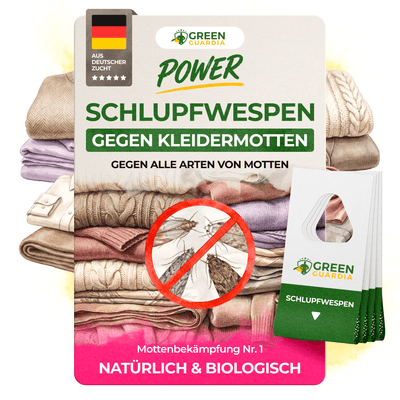
In hard-to-reach areas (e.g., behind furniture, in storage zones, or places where you cannot clean constantly), beneficial insects can be a useful addition – especially if you want to work sustainably without using aggressive agents.
For targeted, biological support, warehouse pirates (Lagerpiraten) are suitable. They are frequently used indoors to reduce the larval stages of material and stored product pests in hidden zones.
3) Monitoring: Making infestation hotspots visible
Especially with carpet beetles, monitoring is a game changer: you want to know if there is still activity – and in which areas. This allows you to perform targeted follow-up cleaning instead of acting on suspicion "all over the house."
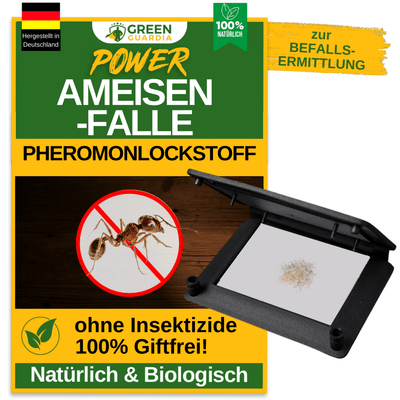
For control and infestation detection, carpet beetle traps with special attractants are suitable – ideal for high-risk zones like near wardrobes, carpet edges, storage rooms, or attic areas.
Prevention: How to prevent carpet beetles long-term
If you want to avoid carpet beetles in the long run, it comes down to two things: protecting textiles and regularly checking hotspots. With simple routines, you significantly reduce the risk.
- Store natural textiles tightly (boxes, bags, clean closet organization)
- Regular vacuuming of carpet edges, under beds, and behind furniture
- Have bird nests removed (if present and permitted) and seal entry points
- Define monitoring points and check them briefly every 1–2 weeks
Practical tip: A carpet beetle infestation often starts "invisibly" behind furniture or in cupboard edges. If you clean these areas consistently and use monitoring, you can usually stop the spread early on.
Frequently asked questions about carpet beetles
How long does it take to get rid of carpet beetles?
That depends on the severity of the infestation and the hotspots. If you clean consistently, treat textiles, and use monitoring, many households see significant improvements after just a few weeks. It is important to catch the larval stages and prevent subsequent generations.
Why do I often find carpet beetles at the window?
The adult beetles are attracted to light. You often see them on windowsills or near lamps – however, the actual larval hotspots are usually located in quiet, textile-rich areas (closets, carpet edges, under furniture).
Does vacuuming really help against carpet beetle larvae?
Yes – thorough vacuuming of carpet edges, cracks, and under furniture is one of the most important measures. It is best to dispose of the bag immediately afterward so that no larvae can find their way back into the house.
Which areas should I check in particular?
Typical hotspots are carpet edges, baseboards, wardrobes with natural textiles, storage rooms, attics, as well as areas behind furniture and under beds. Monitoring traps help to monitor these zones in a targeted manner.
Conclusion: Combatting carpet beetles is best achieved with a clear 3-step system: clean hotspots, treat textiles in a targeted manner, and then use monitoring. If you also use eco-friendly support, you will protect your textiles sustainably – without unnecessary chemicals.
Take action now: Start by thoroughly cleaning the hotspots and monitor high-risk zones with suitable solutions like carpet beetle traps with special attractants. For sustainable support in hard-to-reach areas, warehouse pirates (Lagerpiraten) may be useful.