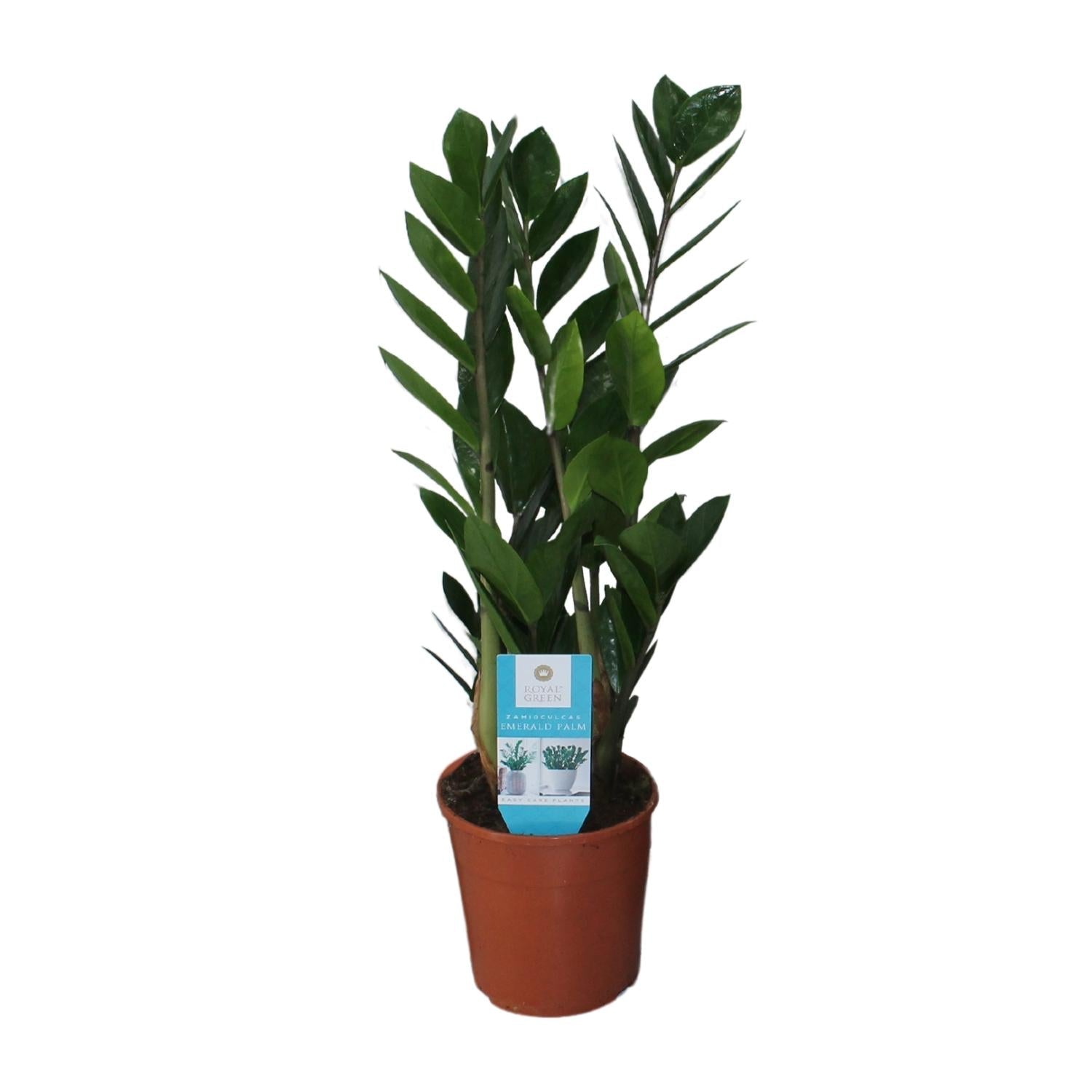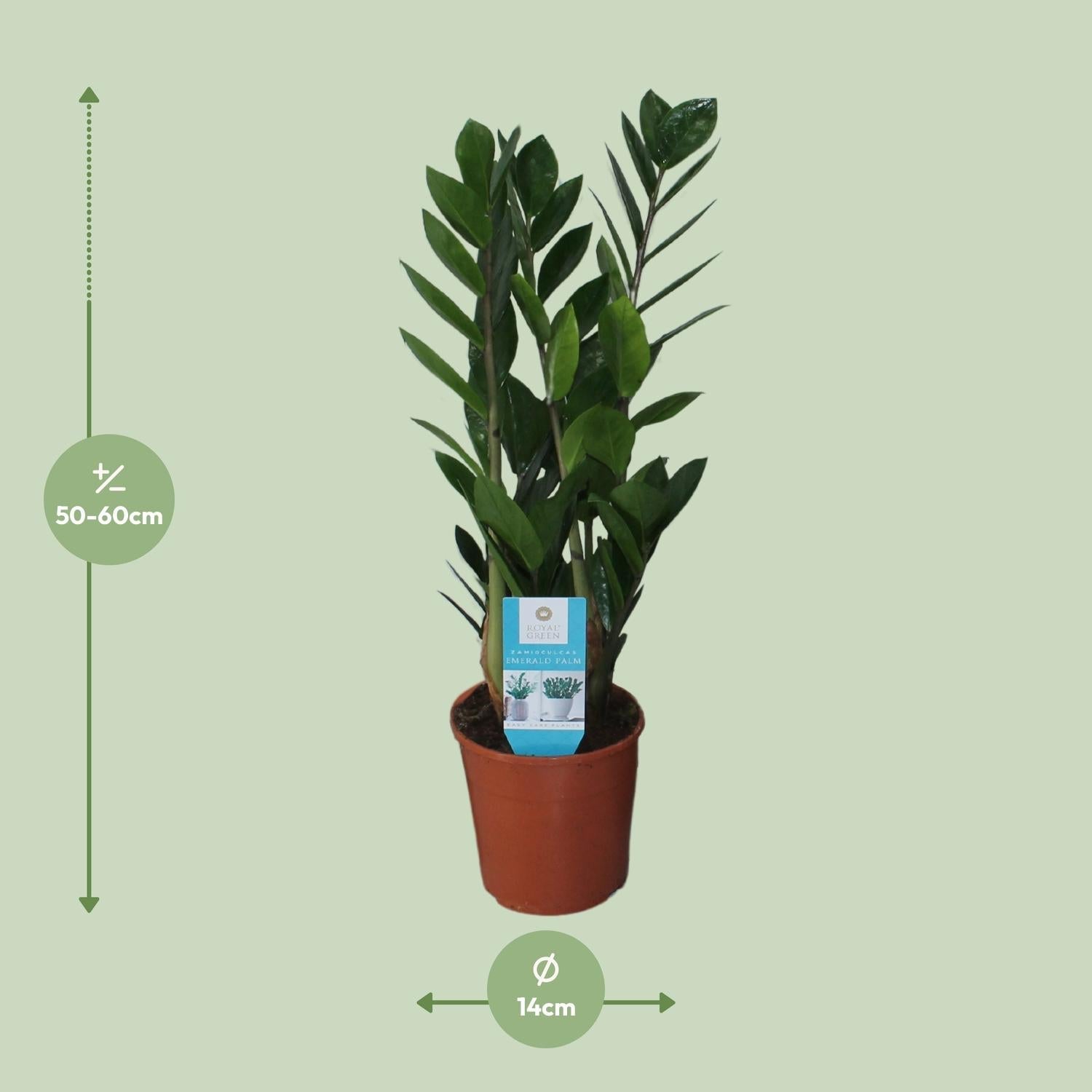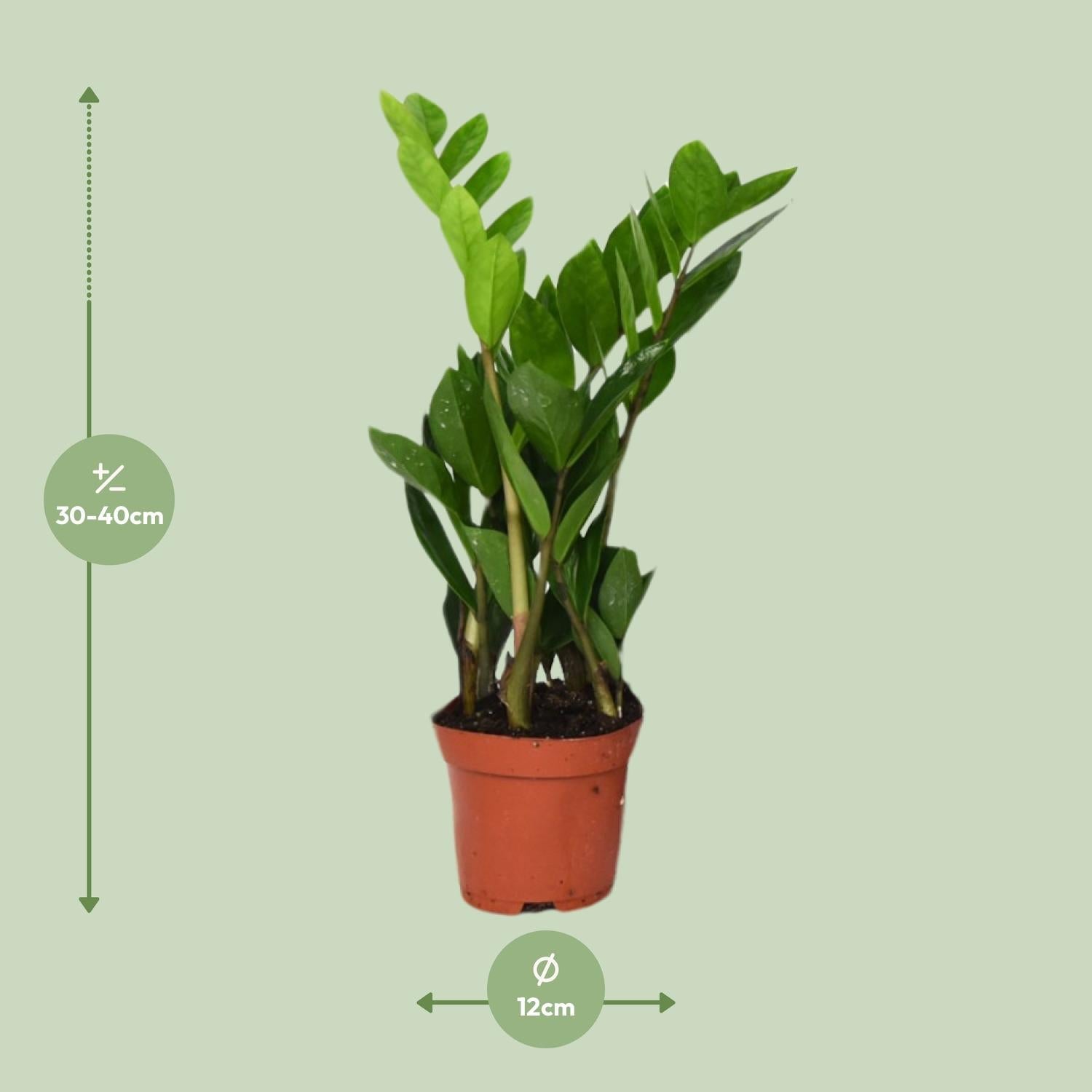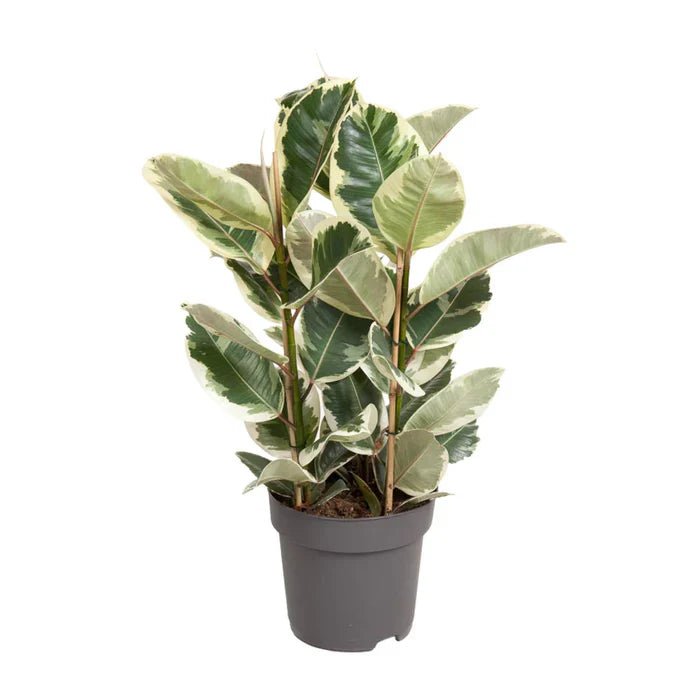


































The ZZ plant, botanically Zamioculcas zamiifolia, is the star among low-maintenance houseplants. With its pinnate leaves that shine as if polished, the Zamioculcas zamiifolia brings a modern flair to any home. It is considered almost "indestructible," making it the perfect choice for anyone without a green thumb or limited time for plant care.
Origin & Characteristics
Originally native to the rocky and dry regions of East Africa, the ZZ plant is a true survivor. It belongs to the Araceae family and has underground tubers (rhizomes) that serve as water reservoirs. This trait makes the Zamioculcas extremely drought-resistant and adaptable to the most challenging light conditions.
Appearance & Growth
The ZZ plant impresses with its upright, slightly spreading growth. In indoor cultivation, it usually reaches a height of 40 to 95 cm. Its leaves are fleshy and deep dark green. Growth is rather slow, making it a stable and stylish companion. New shoots emerge from the base in a light green color and darken over time.
The Ideal ZZ Plant Location
Where does the Zamioculcas feel most at home?
The ZZ plant location is as flexible as can be. It thrives in bright spots just as well as in partial shade or darker corners. Important to note: the brighter the location, the faster it grows and the lighter the leaf color. Direct, intense midday sun should be avoided as it can burn the leaves. It is the ideal plant for hallways or office spaces with little natural light.
Caring for the ZZ plant & Proper Watering
When it comes to caring for the ZZ plant, the most important rule is: less is more! Since the plant stores water in its rhizomes, it tolerates drought much better than excess moisture. Only water when the substrate is about 70–80% dry. Waterlogging will inevitably lead to root rot and must be avoided at all costs. In winter, watering can be almost completely suspended.
Common Problems & Solutions
Why does my ZZ plant have yellow leaves?
Yellow leaves are almost always a sign of overwatering or waterlogging. In this case, check the substrate and let it dry out completely. If the stems become soft at the base, rot is usually the culprit – often, the only remedy is repotting into fresh, dry soil.
Natural support for plant health
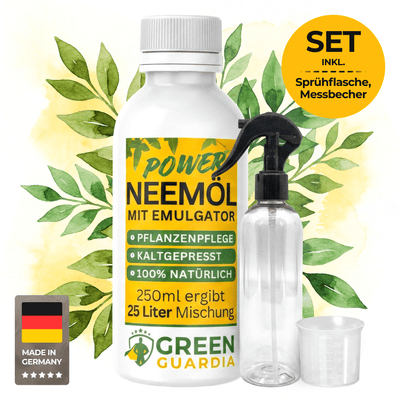
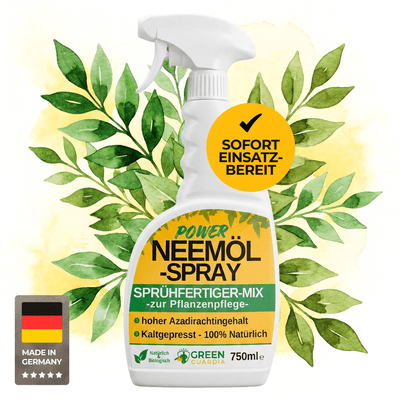
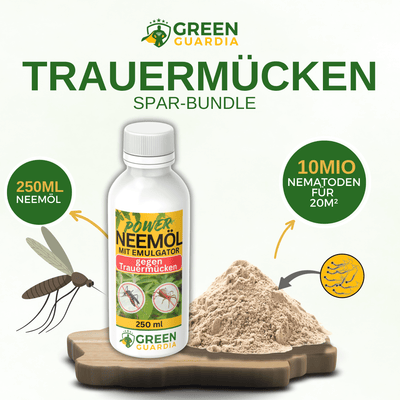
Although the Zamioculcas is extremely robust, pests can occasionally occur under unfavorable conditions. Neem oil has proven effective for strengthening leaf health and as a natural care supplement. It gently cares for the surfaces of your ZZ plant and helps it maintain its natural vitality against external influences.
Propagation
Propagating the ZZ plant is straightforward but requires patience. You can propagate it by dividing the rootstock when repotting or by allowing leaf cuttings to root in soil. However, it can take several months for a new tuber to form on an individual leaf.
Frequently asked questions about the ZZ plant
Is the ZZ plant toxic to pets?
Yes, the Zamioculcas zamiifolia is mildly toxic in all its parts. It contains calcium oxalate crystals that can cause irritation if ingested. Therefore, place it out of the reach of curious cats or dogs.
Do I need to polish the leaves of the Zamioculcas?
The shine is natural! You do not need to use chemical leaf shine products. Simply wiping the leaves occasionally with a damp cloth to remove dust is sufficient to ensure the plant can breathe optimally.
How often should I fertilize the ZZ plant?
During the growth phase from April to September, one application of standard houseplant fertilizer per month is sufficient. In winter, the plant does not require any additional nutrients.
Take action now: Get the easy-care jungle look
The ZZ plant is the perfect choice for anyone looking for an aesthetic yet extremely undemanding plant. It is more forgiving of care mistakes than almost any other and visually enhances any room. Would you like to beautify your home or office with this robust wonder? Discover our high-quality ZZ plant Zamioculcas zamiifolia now and enjoy stress-free gardening!
🌱 Pro tip: If your ZZ plant gets too big for its pot, you can often tell because the plastic pot starts to deform. That is the perfect time for repotting in the spring!