




























Effective and eco-friendly methods for protecting against whiteflies
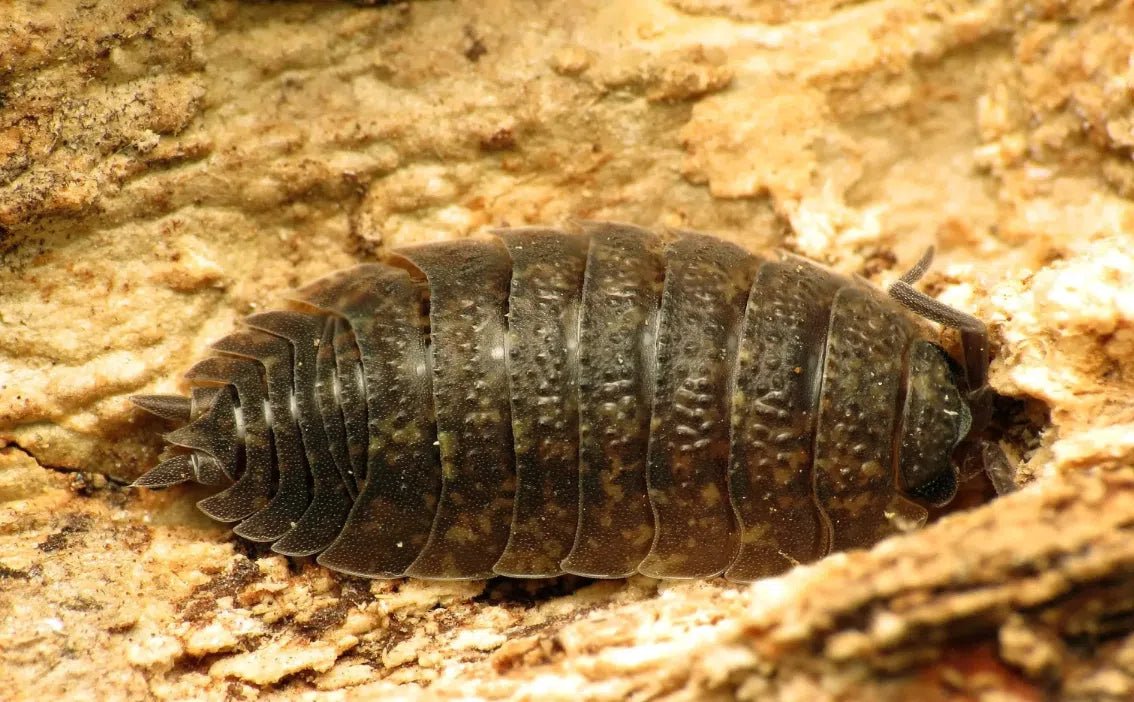
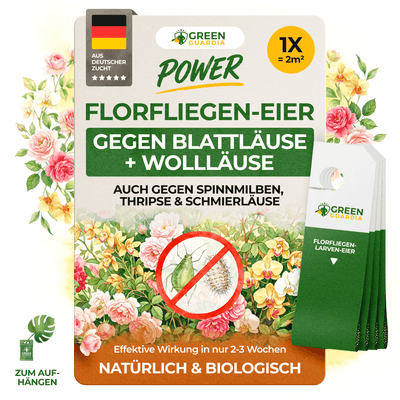
Whiteflies are a topic that catches many garden and plant enthusiasts by surprise: often, these tiny pests are initially mistaken for mealybugs, scale insects, or even whitefly. Typical signs are sticky residue (honeydew), weakening plants, and an overall "dusty-woolly" appearance on stems or the undersides of leaves. If you want to protect your plants in an eco-friendly way, the most important step is: identify them correctly first – then take targeted action.
A quick note upfront: the two linked products are beneficial organisms used against moths in the household. They are particularly useful if you have moth issues at the same time—e.g., in textiles or pantry supplies: Trichogramma wasps against clothes moths and Trichogramma wasps against pantry moths. So, if you suspect you have moths in your home in addition to the plant issues, these solutions can be a great, highly targeted, chemical-free supplement.
🌿 Tip: If you notice sticky leaves, always check your surroundings: honeydew often attracts ants—and they "farm" lice because they like the honeydew. Without ant management, lice will often return.
Causes: Why do whiteflies appear?
Lice-like pests thrive in stressful situations: dry air, irregular watering, nutrient imbalances, or a very warm location can make plants more susceptible. The pests are also frequently brought in—via new plants from stores, cut flowers, or plants that spent the summer outside.
Typical daily triggers
- Newly purchased plants placed directly next to others without quarantine
- Warm, dry air (heating, conservatory, sunny windowsill)
- Plant stress caused by lack of water or waterlogging
- Too much nitrogen: very soft, succulent growth is easier for them to colonize
Identification: How to reliably confirm an infestation
Woolly-like deposits and sticky leaves are the most common signs. Pay close attention to leaf axils, young shoots, and the undersides of leaves—that is where the pests often sit protected.
- White, cotton-like nests on stems/leaf axils
- Honeydew: sticky leaves, shiny patches, sometimes sooty mold (black coating)
- Yellow, curled leaves or stunted growth
- Ant activity on the plant as a sign of honeydew
🔎 Tip: You can wipe the undersides of leaves with a white tissue. If small "dots" stick to it or you notice sticky residues, it is worth checking more closely.
Control: Natural and eco-friendly measures
The goal is to mechanically reduce the infestation, stabilize the plant, and adjust the environment so that the population does not continuously flare up again. Always start with the gentle steps—many cases can be significantly improved this way.
1) Immediate measures (no chemicals)
- Isolate the plant (quarantine) to prevent spreading
- Rinse off (lukewarm water), especially leaf undersides and stems
- Cotton/alcohol swabs: carefully remove visible nests one by one
- Prune and dispose of heavily infested shoots
2) Optimize plant care (to prevent recurrence)
- Consistent watering (avoid waterlogging)—avoid stress
- Check location: better air circulation, not too hot/dry
- Balance nutrients: do not over-fertilize, especially with nitrogen
- Clean leaves regularly to remove honeydew/coatings
3) If you also have moths in your household
Especially with "cottony"-associated problems, people often ask about moths—particularly if textiles are affected. For a targeted, chemical-free approach in the home, the following are suitable: Trichogramma wasps against clothes moths (for moths in clothing, carpets, wool) and Trichogramma wasps against pantry moths (for moths in supplies). Both solutions act very specifically—and are a useful supplement if you want to reduce moth infestation in your home at the same time.
Prevention: How to protect your plants long-term
Prevention starts with new plants and ends with stable plant care. The less stress your plants have, the less attractive they are to lice and related pests.
- Isolate new plants for 7–14 days and inspect them thoroughly
- Regular visual checks (leaf axils, undersides, shoot tips)
- Remove honeydew quickly (wipe leaves) so that no sooty mold develops
- Keep an eye on ants (use barriers/management if necessary)
- Nature-friendly garden/balcony: promote diversity so that natural antagonists can benefit
Source note: General recommendations on plant health, hygiene, and preventive measures can be found at reputable horticultural advisory centers, state institutes, and through information provided by the BMEL or horticultural associations.
FAQ about whiteflies
How can I identify an infestation most quickly?
Typical signs are cottony deposits in leaf axils and on stems, as well as sticky leaves due to honeydew. Check the undersides of leaves and young shoots in particular—that is where the pests are often found first.
Why are my leaves sticky and turning black?
Stickiness is caused by honeydew. Sooty mold (black coating) can settle on this. Remove honeydew early (wipe/rinse) so that the plant can "breathe" better again.
Which natural measures really help?
Proven methods include isolation, rinsing, spot-removing nests, and optimized plant care (less stress, better air circulation). The earlier you start, the easier it is to reduce the infestation.
Are Trichogramma wasps against moths relevant to this topic?
Trichogramma wasps are beneficial organisms used very specifically against moths in the household—not against lice on plants. However, if you also have moth issues, Trichogramma wasps against clothes moths and Trichogramma wasps against pantry moths are a very useful, chemical-free supplement.
Take action now:
Check your plants today for cottony nests, honeydew, and ant activity. Remove visible deposits, rinse the plant thoroughly, and stabilize its care (location, water, nutrients). If you would also like to reduce moths in your household, rely on the appropriate beneficial organisms: Trichogramma wasps against clothes moths and Trichogramma wasps against pantry moths. This way, your home and pantry will remain better protected in the long term—completely without unnecessary chemicals.