























































Combating silverfish: How to get rid of them naturally
Silverfish (Lepisma saccharinum) are often considered a mere nuisance, but they can point to a problem in your living space. These light-avoiding, scale-covered insects feel most at home in damp, dark areas, preferably in bathrooms, kitchens, or basements. If silverfish frequently appear in your apartment, it is often a sign of excessive humidity, and sometimes even mold. If you want to combat silverfish, you should therefore not only target the pests themselves, but also address the root cause. In this guide, you will learn how to recognize an infestation, which remedies against silverfish actually help, and how to prevent them.
What do silverfish look like and how do they live?
Silverfish are about 8 to 12 mm long, wingless insects with a silvery sheen and distinctive tail appendages. They are nocturnal and hide during the day in cracks, joints, or under furniture. Their diet consists mainly of sugary and starchy substances such as paste and paper, as well as skin flakes and mold. High humidity and warmth accelerate their development, which is why they multiply particularly well in damp rooms.
Do not confuse them: For some years now, ghost moth larvae / bristletails (paper silverfish) have also been appearing in apartments. They look similar to silverfish, but are slightly larger, tend to be gray in color, and also occur in dry rooms. There are separate paper silverfish traps available for them.
What is the life cycle of silverfish?
Silverfish can live for several years and develop without a larval stage. Reproduction takes place via so-called spermatophores, which the male deposits and the female picks up. The eggs are then laid in small crevices or joints, preferably at warm temperatures. The young already look like small adults and molt several times until they reach sexual maturity. Due to their inconspicuous lifestyle, an infestation often goes unnoticed for a long time.
How do you recognize a silverfish infestation?
- Movement in the light: If you turn on the light in the bathroom at night, small silvery insects scurry away in a flash.
- Feeding marks: Irregular feeding spots on paper, cardboard, or wallpaper can indicate silverfish.
- Molting remnants: Transparent skins in corners or under carpets indicate their presence.
- Damp spots: Damp corners, fogged-up tiles, or mold spots make an infestation more likely.
How can you combat silverfish without using chemicals?
If you want to combat silverfish, you don't have to resort to harsh chemicals. There are several methods that are gentle on humans and pets and can be easily combined with one another.
✔️ Adhesive traps with attractants
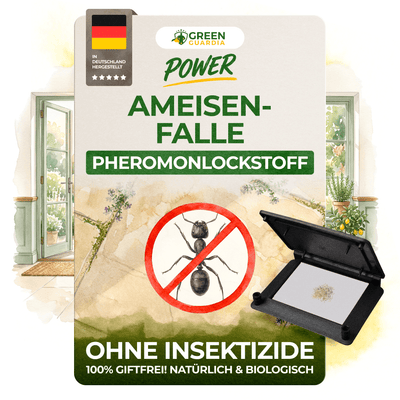
Our silverfish traps with special attractant or with pheromone attractant lure the pests onto an adhesive surface, completely without toxic active ingredients. One trap covers about 2 to 5 m²; in case of a heavy infestation, use several at the same time. Place them along baseboards and near hiding spots. According to the instructions, however, the traps do not belong in damp or dusty areas, so it's better to put them next to the shower or bathtub rather than directly in the splash zone. The special attractant remains active for up to twelve weeks, and as a nice bonus, the traps show you how severe the infestation is.
✔️ Time-tested household remedies
- Potato trap: A halved potato in a paper bag attracts the insects overnight. In the morning, you dispose of it along with its contents.
- Honey paper: Honey on a piece of cardboard attracts silverfish, and they get stuck to it.
Household remedies catch individual pests, but they do nothing to address the root cause.
✔️ Deterrence through scents
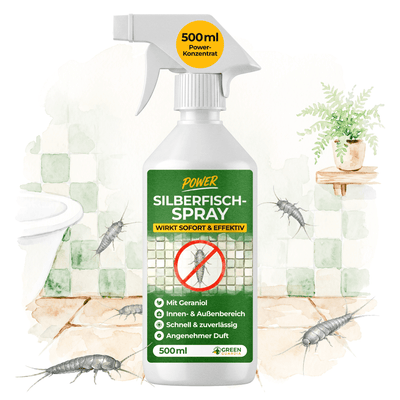
Silverfish avoid intense odors such as lavender, lemon, or eucalyptus. A few drops of essential oil on cotton pads can keep them away from individual areas, but they do not eliminate an existing infestation. A ready-made alternative is our silverfish and paper silverfish repellent spray, which is designed to deter the pests using herbal scents.
✔️ Diatomaceous earth
Diatomaceous earth is a fine powder made from fossilized diatoms that attacks the protective outer layer of the insects. It is suitable for joints and hard-to-reach corners. When applying it, you should avoid inhaling the fine dust.
What preventive measures help against silverfish?
- Regulate the indoor climate: Ventilate regularly and use a dehumidifier if necessary.
- Seal joints: Seal open cracks so that the pests have fewer hiding places and egg-laying sites.
- Clean thoroughly: Regularly remove dust, crumbs, and hair so that the insects are deprived of part of their food source.
- Avoid moisture: Wipe up water after showering and do not leave damp towels lying around in corners.
Which remedy against silverfish really works?
A combination works best: attractant traps reduce the number of pests and make the infestation visible, while a drier indoor climate deprives them of their livelihood. As a remedy against silverfish, you can find silverfish traps in our shop that work without toxic active ingredients and come with simple instructions. If you want to get rid of silverfish, however, you should use the traps over several weeks, because hidden pests and young ones first have to crawl into them. If you are unsure whether silverfish or paper silverfish are roaming around your home, send us a photo to info@greenguardia.de. Our team will identify the pest free of charge.
Frequently asked questions about silverfish
Where do silverfish come from?
It is usually due to high humidity, even in a clean apartment. The insects feel comfortable in damp, dark areas such as the bathroom, kitchen, or basement. From there, they colonize cracks, joints, and cavities where they also lay their eggs.
Are silverfish dangerous in the apartment?
No, silverfish are harmless to humans and pets. They do not sting or bite. However, an infestation can indicate excessive moisture, which is why it is worth taking a look at the indoor climate and potential mold spots.
How can I combat silverfish naturally?
Expect it to take several weeks. If you want to combat silverfish and get rid of them permanently, combine attractant traps with a drier indoor climate and sealed joints, and stick with it consistently, because hidden pests and young ones also need to crawl into the traps first.
How do you protect your home permanently from silverfish?
Silverfish are harmless, but they are often an indication of too much moisture. If you want to combat silverfish, you therefore need both: traps that reduce the population, and a dry indoor climate that ensures no new pests can follow. If you recognize the infestation early and use natural methods, you can do so completely without aggressive chemicals.


