



























































Grape Berry Moth: Natural Protection for Your Grapevines
If grapes suddenly start rotting, berries appear to be "bored into," or fine webs appear on the grapes, the grape berry moth is often the culprit. The larvae of this moth are a classic problem in viticulture because they damage berries, which can promote rot (e.g., botrytis). The sooner you detect the infestation, the easier it is to contain it with natural measures – without placing unnecessary strain on your vines.
Causes: Why does the grape berry moth appear?
Grape berry moths benefit from favorable weather conditions and a suitable microclimate in the vineyard. Especially in warm years, several generations can occur – depending on the region and the weather. Additionally, vineyard maintenance plays a role: dense foliage and poor ventilation increase the risk of secondary problems like rot.
- Warmth and mild springs promote development
- Dense foliage encourages a humid microclimate in the grape zone
- Undetected early infestation leads to stronger pressure later on
- Grape damage increases the risk of rot and secondary problems
Recognition: How do you identify a grape berry moth infestation?
Often, you don't see the pest itself immediately, but rather the typical signs of damage. Check your vines regularly – especially the grape zone and the inner areas where it is more sheltered.
- Nibbled berries or small puncture/feeding marks
- Webs on grapes or between berries
- Berries begin to rot in spots or dry out
- Upon close inspection: Larvae in the grape or in the web
Control: Natural measures against grape berry moths
The most important lever is a combination of monitoring, garden/vineyard management, and targeted, gentle measures. This is how you reduce infestation pressure while protecting grape health at the same time.
1) Check regularly (monitoring)
- Examine grapes and flower clusters weekly – especially during warm spells.
- Mark damaged areas to better assess development.
- Remove heavily infested grape sections early (household waste, do not compost).
2) Canopy management & hygiene (lowering rot pressure)
- Moderately thin the leaves in the grape zone: better ventilation, faster drying.
- Remove fallen fruit/grape remains to reduce secondary problems.
- Care for vines with low stress (balanced watering/fertilizing) so they remain stable.
3) Keep an eye on the surroundings: Keep storage areas clean
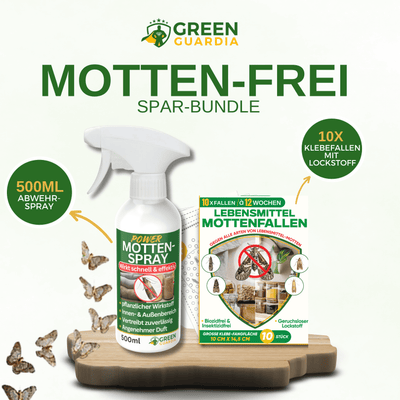
Especially when storing grapes, raisins, nuts, or other natural products (e.g., cellars, pantries, wine storage), pantry pests like moths sometimes appear as well. For natural, targeted help in such areas, trichogramma wasps against pantry moths are suitable – especially if you want to get a handle on pantry moths without chemicals.
Tip: The sooner you discover grape berry moth damage, the better you can prevent rot. Check the grape zone regularly and keep storage areas for natural products clean. For moths in the pantry, trichogramma wasps against pantry moths help as natural support.
Prevention: How to sustainably protect grapevines
Prevention is crucial with the grape berry moth: those who manage their vines well, check them regularly, and create a stable microclimate will noticeably reduce infestation pressure and protect grape quality.
- Consistent monitoring during sensitive phases (flowering to grape development)
- Canopy management for light and air in the grape zone
- Cleanliness: Remove grape remains and infested material
- Stable plants through balanced care (no stress from extremes)
- Keep storage areas for natural products dry & clean so as not to attract moths
Frequently asked questions about the grape berry moth
When is the best time to detect the grape berry moth?
Regular checks during the phases in which flower clusters and grapes are developing are most important. The earlier you discover feeding spots or webs, the easier it is to reduce the infestation pressure.
Why does grape berry moth infestation often lead to rot?
The larvae injure the berries. This damage creates entry points for rot pathogens and promotes the bursting or rotting of individual berries – especially in damp weather.
Which natural measures help the most in the home garden?
A combination of monitoring, canopy management (ventilation of the grape zone), and the removal of infested grape sections is often the most important lever in the home garden to reduce secondary damage.
What can I do if moths also appear in my pantry?
If pantry moths appear in storage areas (e.g., raisins, nuts, flour), hygiene, airtight containers, and a targeted, natural solution like trichogramma wasps against pantry moths help to break the cycle.
Take action now:
Start with regular checks in the grape zone and improve ventilation through canopy management – this is how you reduce rot pressure and protect grape quality. If you additionally want to keep storage areas for natural products moth-free, trichogramma wasps against pantry moths are a natural way to break the moth cycle without chemicals.